Address
Busubait Fiberglass Factory
P.O Box 63113, Dammam 31516
Kingdom of Saudi Arabia
Work Hours
Monday to Friday: 7AM - 7PM
Weekend: 10AM - 5PM

Looking for a reliable FRP supplier in Saudi Arabia for your next industrial project? Busubait has been manufacturing fiberglass reinforced plastic (FRP) products from Dammam since 1997 — serving EPC contractors, plant operators, and procurement teams across the Kingdom.
Local manufacturing reduces delivery delays and eliminates dependency on imports for your critical projects.
Direct coordination with engineering teams ensures every specification is met with precision.
Direct coordination with engineering teams ensures every specification is met with precision.
Managing multiple vendors for different FRP products creates delays and coordination issues. Busubait solves this by offering a complete product range under one roof.
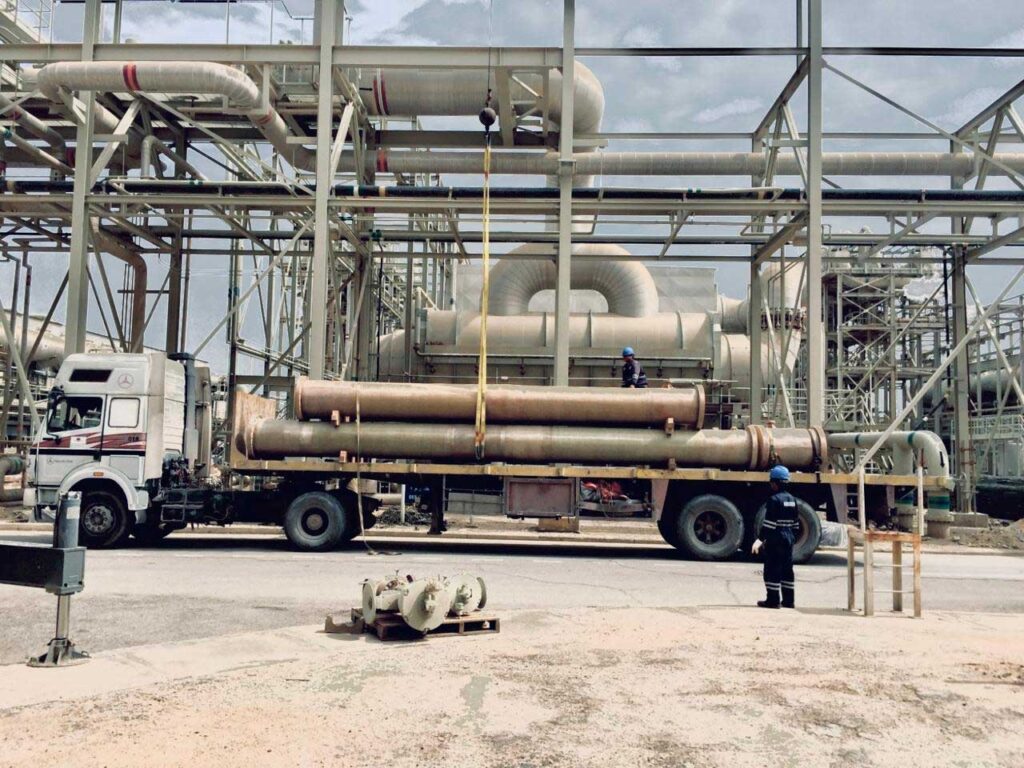
Why FRP piping works: No corrosion issues, lower lifecycle cost, and long operational life.
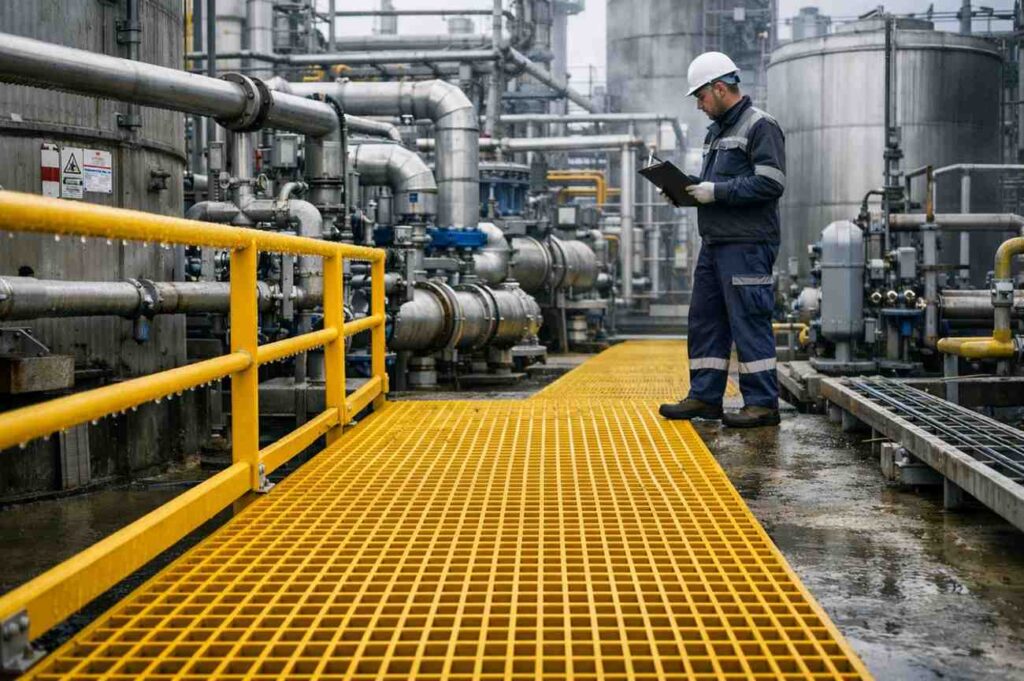
Used in platforms, walkways, and industrial structures.
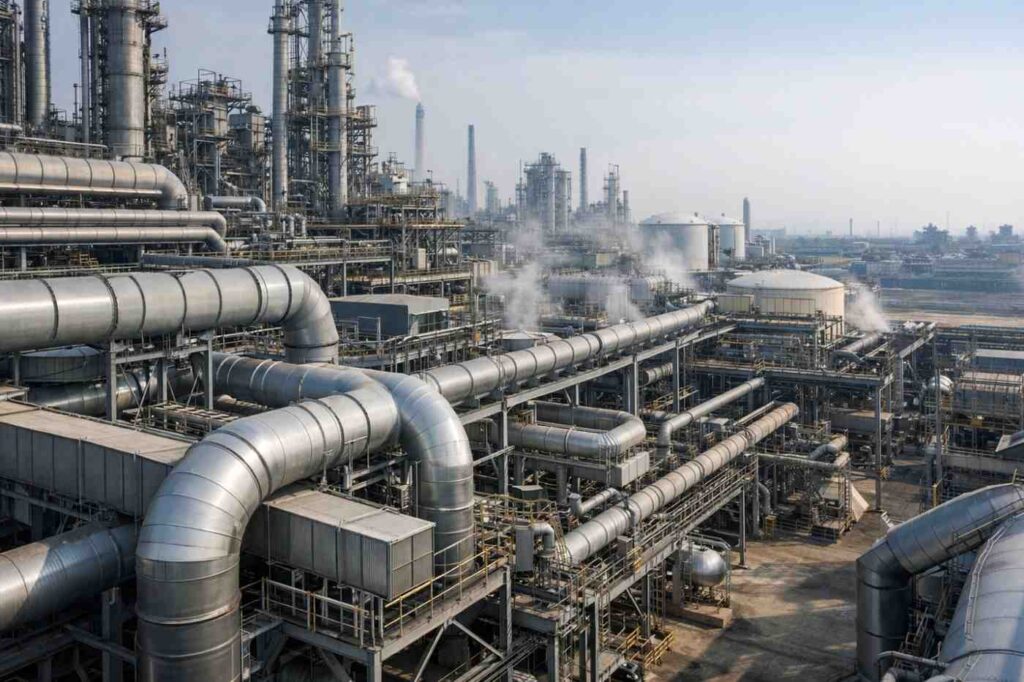
Exhaust and ventilation systems in chemical processing environments deal with corrosive fumes and vapors that destroy conventional metallic ducting within a few years.
We manufacture:
Designed for aggressive chemical environments and long service life.
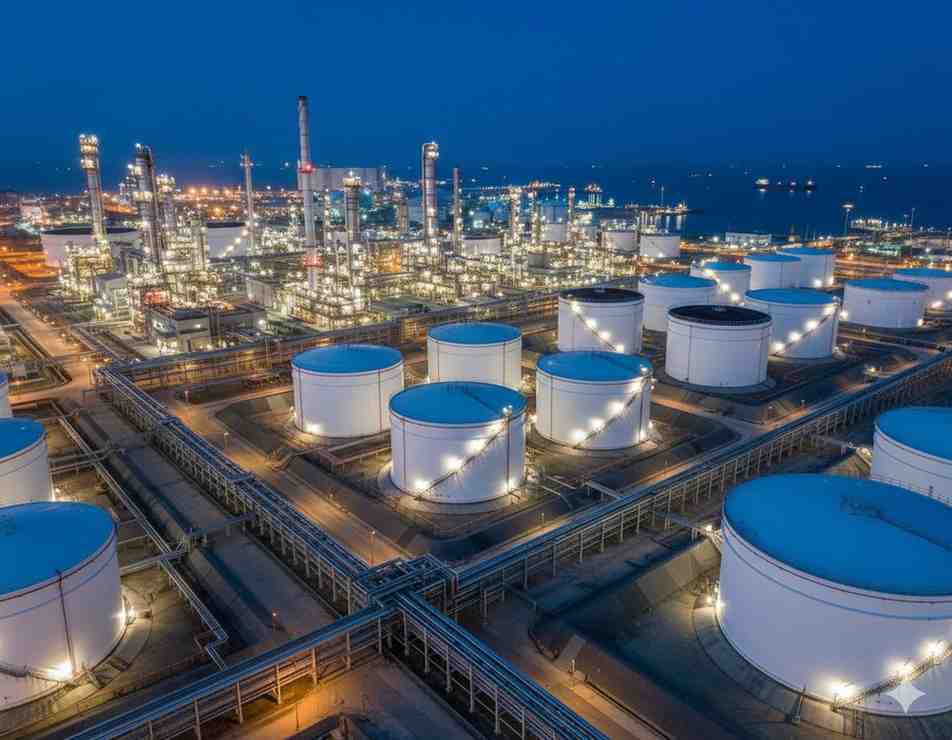
Not every project fits a standard product. Our in-house engineering team handles custom fabrication across a broad range of requirements.
“According to NACE International’s landmark IMPACT study, the global annual cost of corrosion is estimated at USD 2.5 trillion — equivalent to 3.4% of global GDP. The study found that applying available corrosion control practices could save between USD 375 and 875 billion annually.”
Source: NACE International IMPACT Study
FRP has become a material of choice across multiple industrial sectors in the Kingdom — not as an experimental alternative, but as a proven solution in environments where steel, concrete, and other conventional materials have shown consistent limitations.
Storage tanks, piping systems, and structural platforms in upstream and downstream facilities. FRP is widely used in areas with H2S exposure and saline water contact.
Process vessels, chemical transfer lines, and ducting in plants where acid and solvent exposure makes steel impractical.
FRP tanks and piping for brine handling, chemical dosing, and treated water storage. Used extensively in SWCC and MARAFIQ projects.
Cooling system pipework, cable trays, and structural supports in facilities where maintenance access is limited.
Jetty walkways, offshore platforms, and drainage systems where saltwater exposure is a constant factor.
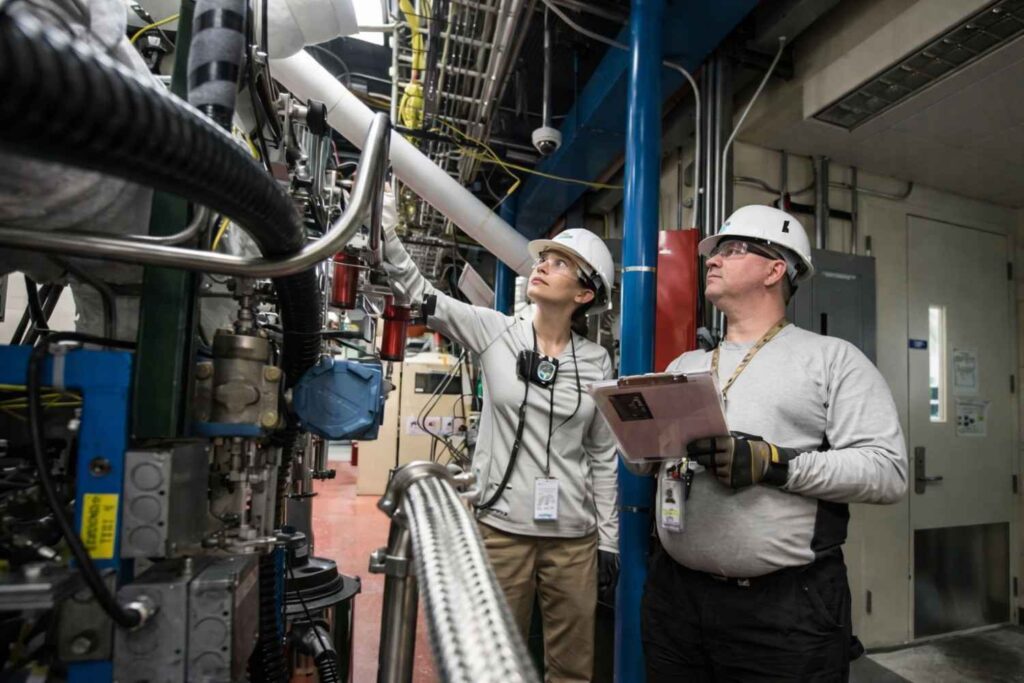
SWCC — the world’s largest desalination entity — currently generates over 11.5 million cubic meters of desalinated water daily and operates more than 30 plants across the Kingdom. SWCC’s approved desalination investment budget for 2023 alone was USD 6.6 billion.
Source: SWCC Official Website
Selecting a supplier is a risk decision. You need proof, not promises.
Busubait has worked with leading organizations across Saudi Arabia:
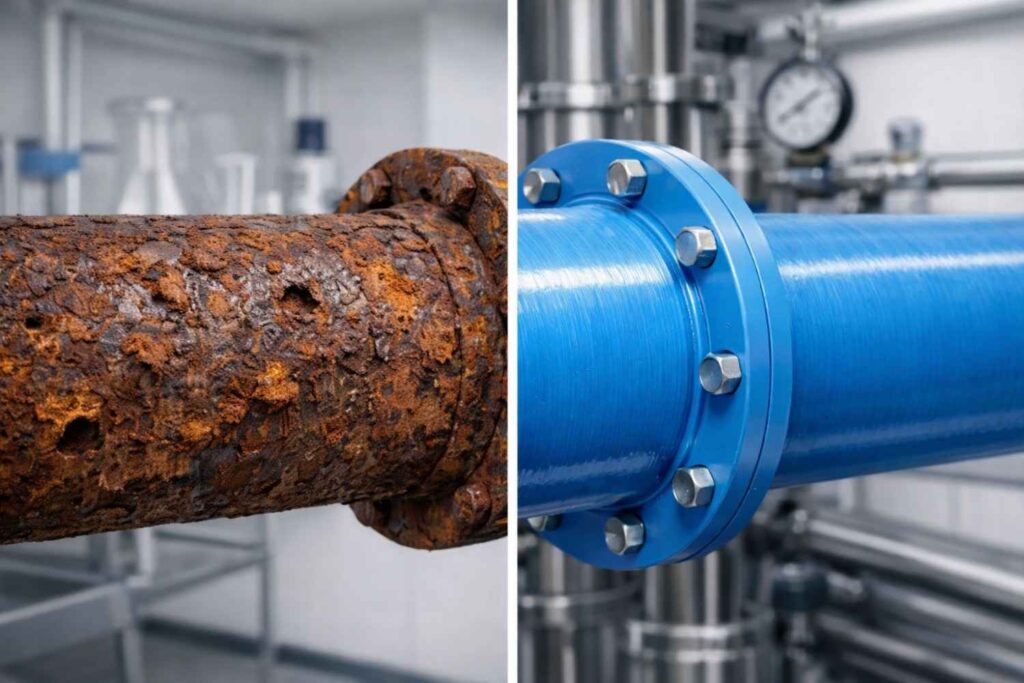
FRP eliminates common issues seen in steel systems:
From tanks to piping to structural systems, you get everything from one source. This reduces:
This is not a new debate. FRP has been used in industrial applications globally since the 1960s. What has changed is the cost of maintaining steel systems in corrosive environments — and the body of real-world evidence showing how FRP performs over 15 to 20+ years in comparable applications.
| FACTOR | FRP | CARBON STEEL | STAINLESS STEEL |
|---|---|---|---|
| Corrosion resistance | Inherent – no coating needed | Requires coating or lining | Resistant but not universal |
| Maintenance over 10 years | Low | High – lining failures common | Medium |
| Weight | 25–30% of equivalent steel | Heavy | Heavy |
| Installation complexity | Simpler due to lower weight | Requires heavy lifting equipment | Similar to carbon steel |
| Lifecycle cost | Lower | Higher in corrosive service | High material cost |
For EPC contractors and plant engineers evaluating materials, the question is rarely whether FRP will outperform steel in corrosive service — the data on that is well-established. The question is whether the FRP supplier has the engineering depth and manufacturing quality to deliver reliably. That is where vendor selection matters.
Over 27 years of operation, Busubait has supplied FRP products to industrial projects across the Kingdom. Our delivered scope includes:
Not all suppliers offer the same capability. Use this checklist before deciding:
Choosing the right supplier early prevents costly failures later.
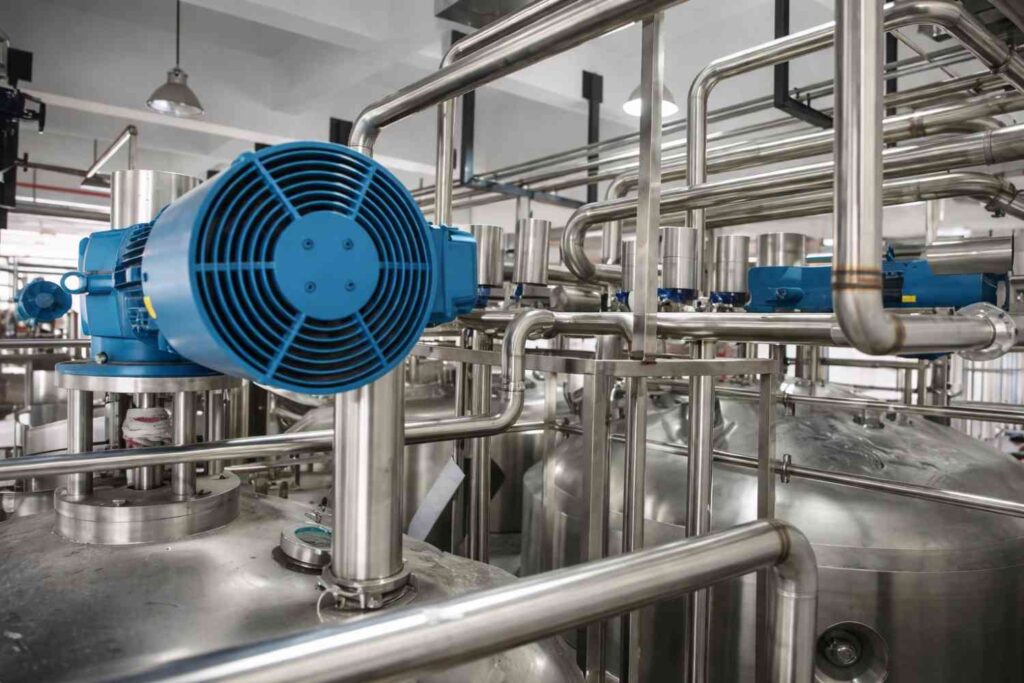
FRP stands for Fiberglass Reinforced Plastic. It is a composite material made from a polymer resin matrix reinforced with glass fibers. In industrial applications, FRP is chosen for its corrosion resistance, light weight, high strength-to-weight ratio, and long service life in aggressive chemical and environmental conditions. It is commonly used where steel would corrode, where weight is a constraint, or where electrical conductivity is a concern.
Service life varies depending on the chemical environment, operating temperature, UV exposure, and manufacturing quality. In typical industrial chemical service, well-manufactured FRP products routinely achieve 15 to 25 years of service life. In less aggressive environments — water treatment, general chemical storage — design life can exceed 30 years. These figures assume proper installation and periodic inspection; FRP is not maintenance-free, but maintenance requirements are significantly lower than coated steel.
In many applications, yes — and it often outperforms steel on a lifecycle cost basis. FRP is not suitable for every application (high mechanical impact, very high temperatures above the resin’s service limit, and certain solvent environments are exceptions), but for the majority of chemical storage, piping, and structural applications in petrochemical and water treatment settings, FRP is a well-proven alternative to steel.
Yes. Custom fabrication is a core part of our business. We manufacture to client drawings and specifications, including non-standard dimensions, multi-layer laminate systems, integrated nozzles and fittings, and specialised resin formulations for unusual chemical service conditions. Our engineering team reviews custom requirements before production begins.
FRP is widely used across oil and gas, petrochemical, water treatment and desalination, power generation, and marine infrastructure. In the Kingdom specifically, FRP has a strong presence in desalination plants, petrochemical facilities in Jubail and Yanbu, oil and gas operations across the Eastern Province, and water treatment infrastructure managed by utilities.
Yes. Busubait holds approved vendor status with Saudi Aramco, SABIC, and SWCC. These approvals require documented quality systems, product testing, and site audits. Contact us for vendor qualification documentation if required for your procurement process.
Looking for a dependable FRP manufacturer for your next project?